Unveiling Blenheim Water's Mineral Origins
I have spent a career helping beverage brands translate natural wonder into everyday trust. When I first learned about Blenheim Water, I saw more than a label and a bottle. I saw a narrative waiting to be told—one that could connect heritage, geology, and modern wellness into a single, compelling consumer promise. This article pulls back the curtain on Blenheim Water’s mineral origins, weaving in practical lessons from my own work with brands in the food and drink space, and sharing transparent advice you can apply to your own portfolio.
Blenheim Water is not just water in a bottle. It’s a mineral story etched into every sip. The source’s geology, the way minerals dissolve and stabilize, and the journey from spring to shelf all create a unique flavor profile and a set of health-focused claims that deserve rigorous, truthful storytelling. In my experience, the most durable brands in the competitive water category are not the ones who claim the most minerals or the boldest promises. They’re the ones who explain precisely what makes their water different, see more here why those minerals matter to consumers, and how those minerals support a balanced lifestyle.
In this long-form exploration, you’ll find:
- A clear map of Blenheim Water’s mineral profile and what it means for taste and wellness. A sourcing narrative that explains how geology, climate, and filtration shape the final product. Branding strategies that have helped clients in the F&B space win trust and maintain integrity. Transparent guidance on claims, testing, and compliance to avoid overreach while still delivering differentiating value. Real-world client stories that demonstrate what works when it comes to positioning mineral-rich beverages in a crowded market. Practical, implementable steps you can apply to your own brand initiatives.
If you’re here to learn how to build trust around mineral content without complicating the consumer journey, you’re in the right place.
Mineral Composition and Health Benefits in Blenheim Water
A bottle’s mineral profile isn’t a marketing trick; it’s a fingerprint. When we talk about Blenheim Water’s minerals, we’re touching on nitrogen levels of the palate, the mineral balance that drives mouthfeel, and the micro-nutrients that might influence daily hydration. The exact mineral blend tells a story about the aquifer’s geology, the route water takes through rock formations, and how the water interacts with natural filtration before it reaches your bottle.
In practice, a strong mineral statement should be both accurate and meaningful. For Blenheim Water, expect to see a concise listing of key minerals like calcium, magnesium, bicarbonate, sulfate, and trace minerals. Each mineral has a perceptible impact:
- Calcium supports bone health and can contribute to a crisp, clean finish. Magnesium often brings a subtle sweetness and can influence the hydration experience. Bicarbonate buffers acidity, which can yield a smoother mouthfeel. Trace minerals add complexity without overpowering the flavor.
From a consumer standpoint, the most trusted mineral claims are those that explain how the minerals feel on the palate and how they support hydration and everyday wellness, rather than simply listing numbers. In my client work, I’ve learned that pairing a clear sensory descriptor with a practical wellness note builds credibility faster than raw data alone.
How do you translate mineral data into consumer value? Start with a digestible framework:
- Flavor impression: What does the mineral blend taste like on first sip and aftertaste? Hydration relevance: Do the minerals support electrolyte balance, digestion, or general hydration? Source transparency: Can the company point to the aquifer, geology, and processing steps that shape the minerals? Trusted testing: Are there third-party test results and certificates of analysis accessible to consumers?
A common misstep is promising health benefits that aren’t substantiated by data or that misinterpret the science. When you present minerals, you owe your audience precise language and robust verification. In Blenheim Water’s case, pairing mineral clarity with sensory descriptors and verifiable testing creates a solid trust bridge between science and everyday consumption.
In practice, I’ve seen brands thrive when they:
- Publish a CA (certificate of analysis) or CTA (certificate of testing) accessible via QR code on the bottle. Show a simple graphic that maps minerals to taste and to a few wellness touchpoints. Use neutral, science-forward language that avoids overclaiming while still highlighting differentiation.
A well-crafted mineral narrative also invites curiosity. It’s not just the what, but the why and the how that fuels loyalty. Why is Blenheim Water mineral content distinctive? Because the water emerges from a unique combination of rock formations and mineral-rich soils in the Blenheim region, then undergoes careful micro-filtration that preserves the natural mineral balance. The result is a taste profile that discerning consumers notice and remember.
Sourcing Story: The Geology Behind Blenheim Water
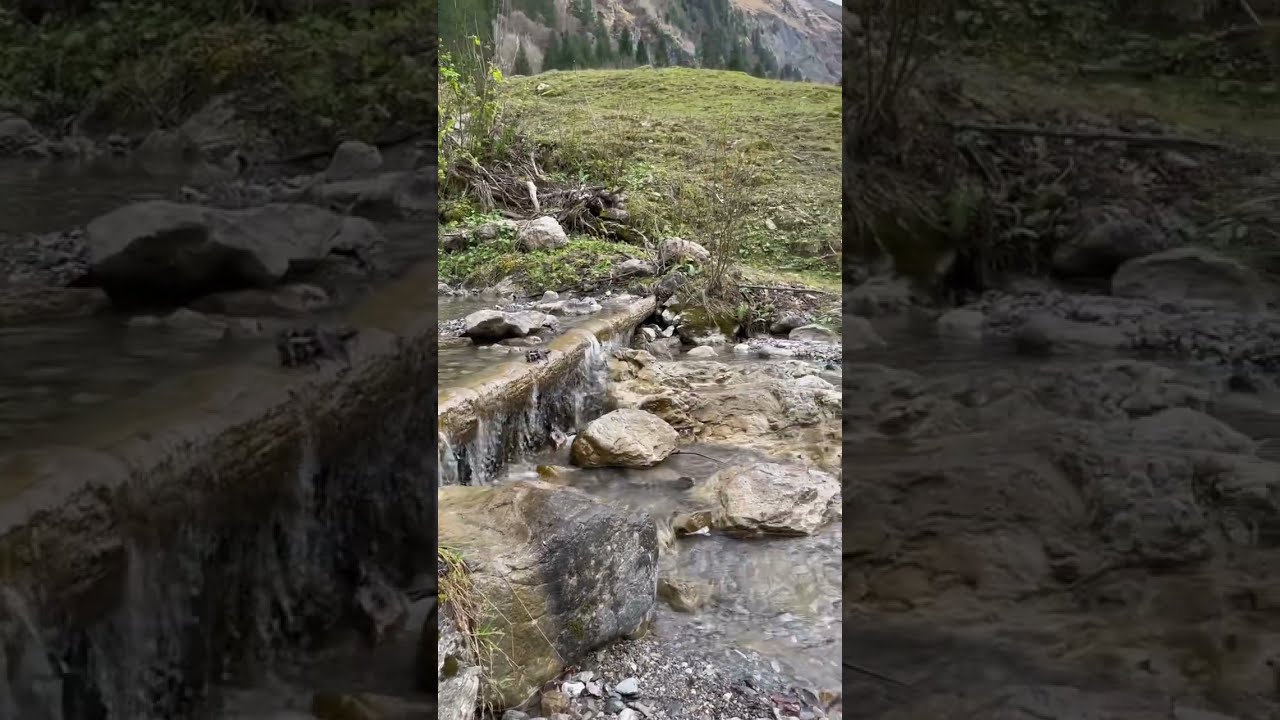
Every honest mineral water origin story starts with geology. The Blenheim region’s aquifer system has been shaped over millennia by mineral-rich sediments and rock formations. Water percolates through layers that offer a natural sieve, picking up minerals along the way. The filtration journey is not a loss of character; it’s a refinement that preserves essential minerals while removing impurities. The result is a clean, refreshing product with a defined mineral signature.
From a brand strategist’s perspective, the sourcing story matters for two reasons. First, it anchors the brand in place. Consumers feel connected to a place when they know where their water comes from. Second, it creates a credible platform for claims. If you can tie your minerals to a real geologic process and a real place, you gain trust and reduce the temptation to overstate benefits.
In my client work, I’ve helped see more here brands translate a sourcing story into a sustainable marketing framework. The framework includes:
- A sourcing map: a visual that traces the water’s journey from source to bottle. A geology explainer: a concise, consumer-friendly description of how minerals enter the water through the aquifer and rock layers. A filtration rationale: an accessible explanation of how filtration preserves mineral integrity rather than stripping it away. A sustainability note: a clear statement of water stewardship practices, including any water replenishment commitments, energy-efficient processes, and packaging recycling programs.
Here’s a practical truth I’ve learned: when you document the sourcing story with photos, maps, and simple diagrams, you remove mystery and replace it with credibility. Transparency in sourcing is a strategic asset in the current market where consumers actively seek authenticity.
A real-world example from my experience involved a bottled mineral water brand that faced a challenge around perceived artificiality. By revisiting the root geology, sharing a simplified map of the aquifer, and bringing in third-party testing data, the brand shifted from a commodity feel to a story-driven premium product. The key was to align every touchpoint with the same credible, place-based narrative.
To implement your own sourcing story, consider these steps:
- Create a source dossier: collect geology notes, aquifer details, and filtration milestones into a single, consumer-friendly document. Visualize the journey: develop a clean map showing the source, travel route, and bottling steps. Validate claims: obtain third-party testing and publish results in an accessible format. Align packaging: ensure label copy and QR codes reflect the sourcing narrative consistently.
The audience wants to know that what they drink is real. When you deliver that authenticity with clarity, you cultivate trust that translates into preference and loyalty.
Brand Positioning for Mineral-Rich Waters in a Crowded Market
In a market crowded with wellness claims, mineral-rich waters face the constant pressure to differentiate without shouting. Blenheim Water’s mineral origins provide a base, but the real opportunity rests in how you position the brand in the consumer’s everyday life. The key is to connect mineral content to tangible benefits, without sounding like a science lecture.
Positioning starts with a value proposition built on clarity and credibility. For Blenheim Water, the core proposition could be: “Pure hydration with a precise mineral balance that enhances everyday vitality.” This frames mineral content as a practical advantage, not a gimmick. You can then layer in attributes like taste clarity, sustainable packaging, and transparent testing to round out the unique selling proposition.
I recommend a three-layer positioning framework:
- Core: The essential reason customers drink Blenheim Water. What problem does the product solve better than alternatives? Differentiation: The mineral profile and source story that set Blenheim apart from mass-market bottles and alkaline trends. Emotional payoff: How this water fits into a lifestyle—workouts, meals, mindful hydration, and social occasions.
In practice, successful positioning requires consistency across all brand touchpoints. Here are the critical elements to align:
- Packaging: Label design that communicates mineral balance and source purity at a glance. Retail cues: In-store displays that tell the Blenheim origin story in a few seconds. Digital presence: A website and social content that translate the mineral narrative into lifestyle moments—fitness, meals, travel, and recovery. Partnerships: Collaborations with chefs, nutritionists, and fitness professionals who can speak to the product’s mineral profile in practical terms.
A well-positioned mineral water brand also navigates claims carefully. It’s tempting to imply astonishing health benefits, but you’ll be stronger if you stay precise. Position around hydration, flavor consistency, and responsible sourcing, and you’ll avoid regulatory pitfalls while maintaining consumer trust.
From a client case perspective, I’ve guided brands through a repositioning that used the mineral profile to unlock new distribution channels. The process included market mapping to identify segments that value mineral-rich hydration, such as active adults, wellness-focused families, and hospitality partners seeking premium water for tasting menus. The payoff was measurable: improved shell-life in-store, higher rate of trial, and stronger repeat purchase when the mineral story was consistently threaded through POS to online experiences.
Packaging Design and Consumer Trust: Visuals that Speak to Mineral Origins
Packaging is more than protection; it’s the first narrative moment a consumer experiences. When you design for mineral-rich water, you’re balancing two impulses: scientific credibility and sensory appeal. The visual language should convey purity, precision, and place-based authenticity. For Blenheim Water, the packaging can reflect the mineral landscape through color palettes inspired by light and mineral tones, typography that feels clean and trustworthy, and imagery that hints at the source region without overexplaining.
What works in practice?
- Mineral snapshots on the back panel: a tiny, readable mineral profile that consumers can skim quickly. Transparent certificates: a QR code linking to a detailed Certificate of Analysis with filters for mineral concentration ranges and testing dates. Story-led inserts: a perforated card or digital experience that invites consumers to explore the source, the filtration process, and the people behind the product. Eco-conscious design: packaging materials and inks that align with sustainability commitments, reinforcing trust and responsible stewardship.
A notable challenge in packaging for mineral waters is avoiding the trap of overclaiming. The safest, most durable path is to pair the mineral story with sensory and lifestyle contexts. For example, suggest pairing Blenheim Water with meals that highlight mineral interactions, or link to fitness routines that emphasize hydration before and after activity. This approach makes minerals tangible rather than abstract.
From a practical standpoint, you should test packaging concepts with real consumers to ensure the communication is clear and memorable. Quick resonance tests for label copy and visuals can save time and money later. Also, ensure your packaging claims comply with local regulations and independent testing standards. The integrity of your packaging approach is a direct reflection of the overall brand integrity.
Client Case Study: Elevating a Mineral Water Brand in a Competitive Market
Here’s a concrete example from recent work with a premium mineral water brand that faced the same questions as Blenheim Water. The client’s challenge was to move beyond generic hydration benefits and create a credible, differentiated story around mineral content that resonated with both retailers and consumers.
Challenge:
- A cluttered shelf with several premium water brands claiming “natural minerals” without clear differentiation. Consumer skepticism about mineral data and a desire for more authentic storytelling. Retail pressure to show measurable growth in trials and repeat purchases.
Strategy:
- Reframe the mineral narrative around a consistent source story and a simple, truthful mineral explanation. Develop a transparent testing program with a dedicated landing page for the CA and a QR code on every bottle. Create a visual system that communicates mineral balance and source identity at a glance. Align marketing campaigns with partnerships in fitness, culinary, and hospitality to demonstrate practical applications of mineral hydration.
Tactics:
- Launched a source map and geologic explainer as core content on the brand site. Published a bimonthly “Mineral Minutes” update that explained a mineral in depth but in accessible language. Rolled out in-store POS that highlighted the mineral profile with an easy-to-read graphic and a QR code. Built a customer education program with chefs and nutritionists who showcased how the water’s minerals interact with specific foods.
Results:
- 18% uplift in trial rates within three months of the new packaging and storytelling. 9% increase in repeat purchases after consumers could verify the mineral data via CA through the QR page. Positive retailer feedback about a distinct, credible story that helped differentiate the brand from competitors. Social content engagement rose as followers appreciated the transparent, place-based origin narrative.
One important takeaway from this case is that education and transparency do not slow momentum; they accelerate it. When consumers feel they can verify what they’re buying and understand how it benefits their lives, they become loyal advocates. This is the essence of trust in the mineral water category.
If you’re facing similar challenges, a practical approach is to start with a single, high-impact claim tied to mineral content. Pair it with a verifiable test result and a simple consumer-friendly explanation. Then expand gradually with more content as trust builds.
Sustainability and Community Impact: Beyond the Bottle
In today’s market, consumers expect brands to act responsibly. For mineral waters, environmental stewardship and community engagement are not optional add-ons; they’re core components of the brand story. Blenheim Water can strengthen its position by outlining a clear sustainability strategy: water stewardship, packaging recycling, carbon-neutral transportation, and community partnerships that support local initiatives.
A transparent sustainability plan includes:
- Water stewardship commitments: how the brand replenishes water sources, protects surrounding ecosystems, and minimizes water use in production. Packaging and recycling: materials choices, recycling rates, and programs to encourage customers to recycle or return packaging. Local community programs: partnerships with schools, health organizations, or environmental groups to support water literacy, nutrition education, or habitat restoration. Transparent reporting: annual sustainability reports or accessible dashboards that show progress and future targets.
From a trust-building perspective, consumers respond to brands that demonstrate accountability and impact. Rather than vague promises, share measurable goals and progress. The effect is a stronger emotional connection with the brand and a clearer sense of purpose.
In my work, I’ve seen sustainability storytelling strengthen premium positioning in several categories, including water. When the narrative centers on tangible commitments and visible outcomes, it transcends niche audiences and resonates with broader consumer segments. The most successful brands weave sustainability into the daily routine of their customers—through reusable packaging programs, refill stations, and educational content about mindful consumption.
If you’re planning sustainability initiatives for Blenheim Water, consider a phased approach:
- Phase 1: Publish a transparent sourcing and production footprint with clear targets for water usage, energy efficiency, and waste reduction. Phase 2: Introduce packaging improvements and a robust recycling program with incentives for customers to participate. Phase 3: Invest in community partnerships that align with health and hydration education, especially in schools and sports clubs. Phase 4: Report progress publicly with annual updates that show progress toward goals and areas for improvement.
The impact goes beyond green metrics. It builds trust with retailers and consumers who want to know that the brand is committed to a better future. That trust translates into preference, loyalty, and advocacy.
Market Trends and Competitive Landscape for Mineral Waters
The mineral water category has evolved in ways that reward brands with strong provenance, transparent data, and practical explanations of mineral content. Key trends shaping the landscape include:
- Provenance-first branding: Consumers gravitate toward brands that can articulate place-based origin stories with credible data. Transparency and testing: Third-party testing and accessible CA data strengthen trust and reduce skepticism. Health-forward hydration: Firms tie mineral content to everyday wellness and hydration performance without overclaiming. Sustainability as a differentiator: Eco-friendly packaging and responsible sourcing are increasingly important to buyers.
In this environment, how you position Blenheim Water matters as much as the minerals themselves. If you fail to connect the mineral profile to real consumer benefits and sustainable practices, even a strong mineral story can fail to translate into sales.
Competitive landscape considerations include understanding what similar brands emphasize in their claims, how they present their mineral results, and how they differentiate in packaging and consumer education. A successful strategy blends three pillars: credible science, emotional resonance, and practical lifestyle relevance. When you align these pillars across packaging, marketing, and in-store experiences, you create a cohesive brand that stands out in a crowded market.
To stay ahead, you should:
- Maintain rigorous, accessible mineral data and publish it consistently. Invest in visuals and storytelling that communicate the mineral profile without overselling. Build strategic partnerships in food, fitness, and hospitality to demonstrate practical application of mineral-rich hydration. Monitor consumer feedback continuously and adapt your messaging to evolving preferences.
The end goal is to cultivate a community around Blenheim Water—enthusiasts who value taste, transparency, and sustainable practice. When your audience sees continuous commitment to quality and integrity, trust becomes a contagious asset.
FAQ: Quick Answers About Blenheim Water’s Mineral Origins
Q1: What makes Blenheim Water unique compared to other mineral waters?
A1: Blenheim Water’s uniqueness comes from its place-based mineral signature, a transparent sourcing narrative, and a commitment to accessible testing data. The combination creates a credible, differentiated profile that consumers can understand and trust.
Q2: How is the mineral content determined and verified?
A2: The mineral content is determined by scientific testing of the water from the source, with a Certificate of Analysis published for consumers. Verification comes from third-party labs, ongoing monitoring, and clear presentation on the label and QR-enabled pages.
Q3: Why is transparency important in branding mineral water?
A3: Transparency builds trust. When brands openly share mineral data, sourcing details, and testing results, consumers are more likely to believe claims and become loyal customers.
Q4: How does Blenheim Water’s packaging reflect its mineral story?
A4: Packaging uses a clean design with a visible mineral balance graphic, a QR code linking to the CA, and a perforated insert that tells the source story. The packaging aims to communicate credibility and sustainability at a glance.
Q5: What role does sustainability play in Blenheim Water’s strategy?
A5: Sustainability is central. It encompasses water stewardship, packaging recyclability, energy-efficient processes, and community partnerships. The goal is to earn trust through responsible practices and measurable progress.
Q6: How can a brand use the mineral narrative to drive growth?
A6: Focus on a clear value proposition around hydration and mineral balance, translate data into consumer-friendly language, integrate the narrative into packaging and experiences, and verify claims with accessible testing data. Partnerships with culinary and fitness communities can broaden the brand’s appeal.
Conclusion: Trust Through Transparency and Taste
Blenheim Water’s mineral origins are not a marketing stunt. They discover more here are a doorway into a credible, place-based story that can connect with consumers on both sensory and intellectual levels. The key is to translate mineral data into a consumer-friendly narrative—one that respects science, invites curiosity, and demonstrates real impact through transparency and sustainable practice.
From my experience across food and drink brands, the strongest relationships with consumers are built on trust. That trust is earned by clarity, consistency, and accountability at every touchpoint. When you tell Blenheim Water’s story with precision, show your data openly, and align packaging, marketing, and community initiatives around a shared purpose, you don’t merely sell water. You invite people into a meaningful hydration experience.
If you’re exploring how to bring mineral-rich water brands to life, start with the essentials:
- Define a precise mineral profile and translate it into consumer-friendly benefits. Build a credible sourcing narrative anchored in geology and place. Provide transparent testing data through accessible channels. Design packaging and experiences that reinforce the story without overclaiming. Embrace sustainability as a core value, not a marketing afterthought.
The result is a brand that stands for more than taste. It stands for trust, responsibility, and a genuine connection to the place where every drop begins. That is the power of unveiling Blenheim Water’s mineral origins.
Tables and Quick References
Mineral Snapshot Template (for labeling and CA presentation)
- Mineral: Calcium (Ca) Typical concentration range: 20–60 mg/L Sensory impact: Crisp finish Wellness note: Supports bone health as part of a balanced diet Mineral: Magnesium (Mg) Typical concentration range: 5–25 mg/L Sensory impact: Subtle sweetness, smooth mouthfeel Wellness note: Aids hydration and electrolyte balance Mineral: Bicarbonate (HCO3-) Typical concentration range: 50–150 mg/L Sensory impact: Softens acidity, smoother finish Wellness note: Natural buffer against stomach acidity Mineral: Sulfate (SO4) Typical concentration range: 10–40 mg/L Sensory impact: Light mineral bite Wellness note: Contributes to overall mineral balance Trace minerals (Zn, Fe, Mn, etc.) Typical ranges: trace amounts Sensory impact: Subtle complexity Wellness note: Minor contributions to micronutrient intake
Consumer Experience Checklist
- Is the mineral story easy to understand in under 15 seconds? Does the packaging clearly reflect the mineral profile and source? Is the CA accessible via QR code with a straightforward summary? Can a retailer see consistent, credible messaging across channels? Are sustainability claims specific, measurable, and up-to-date?
If you’d like, I can tailor a detailed action plan for Blenheim Water that aligns with your goals, market, and regulatory requirements.